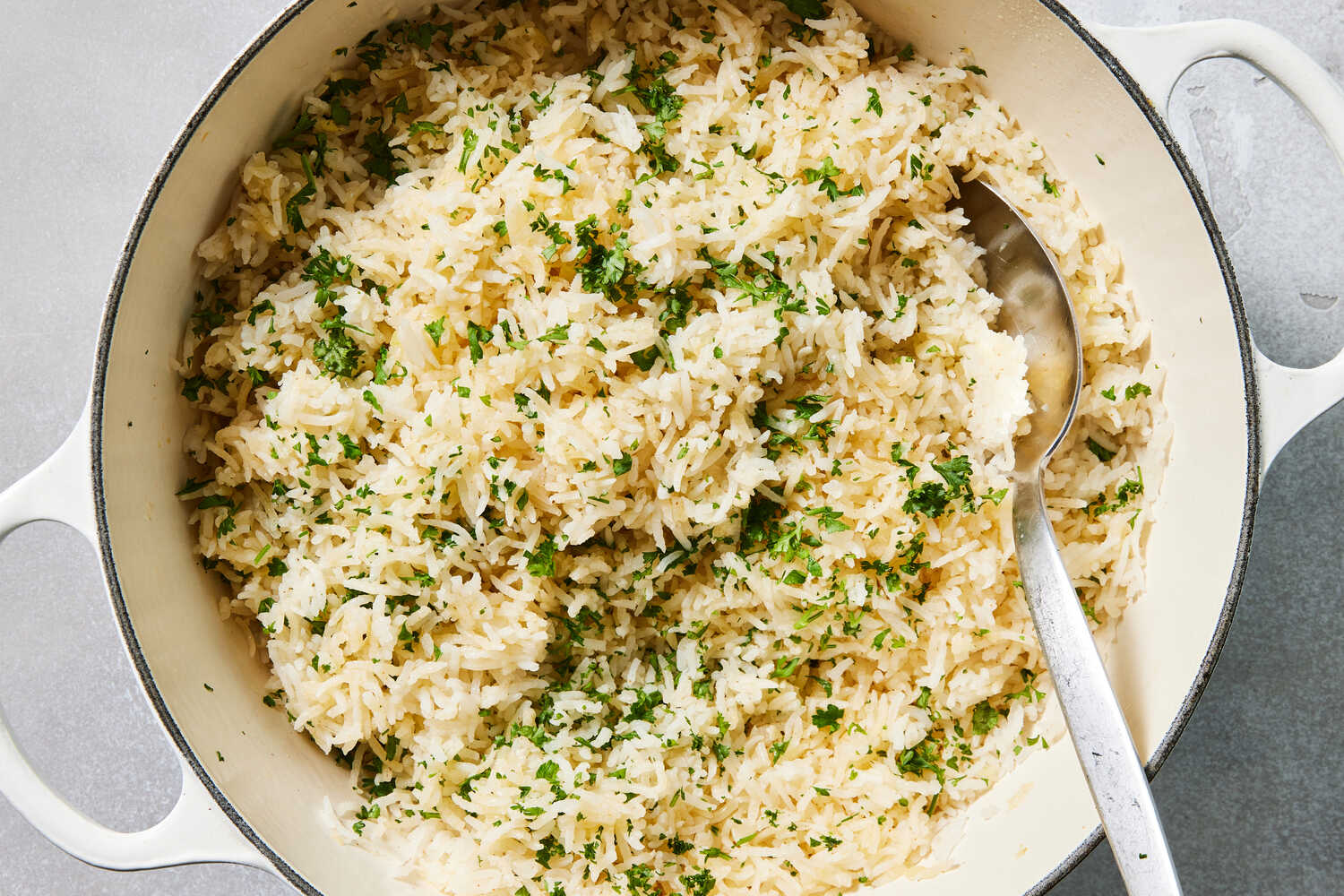
Transforming ordinary grains into a culinary delight, rice pilaf is a beloved staple across the globe, particularly renowned in Mediterranean and Middle Eastern cuisines. More than just a side dish, a well-executed rice pilaf is a celebration of texture and flavor – each grain perfectly separate, fluffy, and infused with aromatic goodness. If you've ever yearned for that restaurant-quality pilaf at home, this comprehensive guide will demystify the process, revealing the simple yet crucial techniques that lead to consistently spectacular results. Prepare to master the art of turning plain rice into something truly special.
What Exactly is Rice Pilaf? Unpacking the Core Technique
At its heart, rice pilaf isn't just a recipe; it's a fundamental cooking technique. Unlike simply boiling rice, pilaf involves a distinct two-step process that elevates the humble grain. This method, passed down through generations of home cooks, ensures a superior outcome every time:
- Toasting the Grains: The journey to perfect pilaf begins by sautéing raw rice grains in a fat—be it olive oil or butter—before any liquid is added. This crucial step, often overlooked in basic rice cooking, serves multiple purposes. It imparts a delightful nutty flavor to the rice, and more importantly, it lightly toasts the exterior of each grain. This toasting creates a protective barrier that helps the grains maintain their individual structure during simmering, preventing them from clumping together and resulting in that coveted fluffy, distinct texture.
- Simmering with Seasonings: Following the toasting, the rice is simmered in a flavorful liquid, typically broth (chicken or vegetable) rather than just water, along with aromatics and warming spices. This infusion imbues every grain with deep, rich flavor, making the pilaf far more exciting than its boiled counterpart. The careful balance of liquid to rice, along with a gentle, undisturbed simmer, is key to achieving the ideal tenderness without mushiness.
From simple versions with just onions and broth to elaborate preparations featuring meat, vegetables, and a medley of nuts and dried fruits, the adaptability of rice pilaf is one of its greatest strengths. Regardless of regional variations, the core technique of toasting and simmering remains the foundation for a truly exceptional dish.
The Essential Components for a Fluffy & Flavorful Pilaf
While the technique is universal, the ingredients used in a Middle Eastern rice pilaf or a Mediterranean-style version significantly shape its character. Understanding the role of each component is vital for crafting a truly masterful dish:
Choosing Your Rice
- Basmati Rice: Widely regarded as the top choice for pilaf, basmati rice is an aromatic, long-grain variety known for its delicate fragrance and light, fluffy texture when cooked. Its grains elongate beautifully without sticking.
- Jasmine Rice: A suitable alternative if basmati is unavailable, though it tends to be slightly softer and stickier. Adjust liquid ratios if making this swap.
- Rinsing is Non-Negotiable: Regardless of the type, always rinse your rice thoroughly under cold water until the water runs clear. This removes excess starch, which is a primary culprit for gummy or sticky pilaf. Soaking for 10-15 minutes afterwards can also improve texture.
The Flavor Foundation: Fat & Aromatics
- Fat:
- Extra Virgin Olive Oil: A fantastic choice, especially for Mediterranean-inspired pilafs. A good quality olive oil adds a wonderful depth of flavor and keeps the dish Mediterranean Diet-friendly.
- Butter: For a richer, nuttier flavor profile, butter is an excellent alternative or can be used in combination with olive oil.
- Aromatics:
- Onion: Finely chopped yellow or white onion, or even shallots, forms the aromatic backbone.
- Garlic: Minced garlic adds essential pungent notes. While crucial, it can be reduced or omitted if you're sensitive to it.
The Liquid & Seasonings
- Broth: Chicken or vegetable broth is preferred over water as it infuses the rice with a much richer, more complex flavor.
- Classic Spices:
- Turmeric: Provides an earthy warmth and a beautiful golden hue.
- Coriander: Offers a bright, citrusy note; cumin can be a good substitute for a different earthy profile.
- Paprika: Sweet Spanish paprika lends a mild, fruity flavor, while smoked paprika offers a deeper, smoky twist.
- Aleppo Pepper: For a subtle, authentic Mediterranean heat, or use a pinch of red pepper flakes.
- Kosher Salt: Essential for enhancing all the other flavors.
Veggies & Optional Enhancements
- Vegetables: Frozen peas and chopped carrots are classic additions, offering sweetness and color. Quick-cooking alternatives like diced bell peppers also work well. Remember, frozen vegetables don't require thawing.
- Nuts & Dried Fruit: These are where you can truly personalize your pilaf. Toasted walnuts, pine nuts, sliced almonds, pistachios, or pecans add a delightful crunch. Dried raisins or chopped apricots contribute a hint of sweetness and chewiness, elevating the dish to a celebratory status.
Mastering the Technique: Step-by-Step for Perfect Pilaf
Creating a masterful rice pilaf is surprisingly straightforward when you follow these steps. This process ensures fluffy, distinct grains every time, perfect for a foolproof 30-minute side dish.
- Rinse the Rice: Begin by placing 2 cups of basmati rice in a fine-mesh sieve. Rinse under cold running water, agitating the grains with your hand, until the water runs completely clear. This crucial step removes excess starch, which is the enemy of fluffy rice. Let the rice drain well, or even soak for 10 minutes, while you prep your other ingredients.
- Prep Your Aromatics & Veggies: Finely chop 1 small yellow onion and mince 2 cloves of garlic. Peel and finely chop 2-3 carrots. If using peas, have them ready (no need to thaw if frozen).
- Sauté the Aromatics: In a large, heavy-bottomed pan or Dutch oven with a tight-fitting lid, heat 2 tablespoons of olive oil (or butter) over medium-high heat. Add the chopped onions and cook for 3-5 minutes, stirring occasionally, until they soften and become translucent. Stir in the minced garlic and cook for another minute until fragrant, being careful not to burn it.
- Add Veggies & Season: Stir in the peas and carrots, cooking for a few minutes until slightly tender-crisp. Now, add your chosen spices: a good pinch of turmeric, coriander, sweet Spanish paprika, and a dash of Aleppo pepper (if using). Stir well, letting the spices toast lightly for about 30 seconds to release their full aroma.
- Toast the Rice (The Secret Step): Add the well-drained, rinsed rice to the pan with the aromatics and spices. Increase the heat slightly and cook, stirring constantly, for 3-5 minutes. You'll notice the grains becoming slightly translucent and developing a subtle nutty aroma. This toasting creates that protective barrier for individual grains.
- Add Liquid & Bring to a Simmer: Pour in 3 cups of hot chicken or vegetable broth (adjust liquid slightly based on rice type; a general ratio is 1.5 cups liquid to 1 cup rice). Stir in 1-1.5 teaspoons of Kosher salt, or to taste. Bring the liquid to a rolling boil.
- Simmer & Rest (Patience is Key): Once boiling, reduce the heat to the lowest possible setting. Cover the pan tightly with its lid. Do NOT lift the lid during cooking! Let the rice simmer undisturbed for 15-18 minutes. After this time, remove the pan from the heat but keep the lid on. Allow the pilaf to rest for another 10 minutes. This resting period is critical as it allows the steam to distribute evenly, resulting in perfectly fluffy grains.
- Fluff and Serve: Finally, remove the lid and gently fluff the rice with a fork. Avoid stirring vigorously, which can break the grains. Taste and adjust seasoning if needed. Garnish with toasted nuts and dried fruit for added texture and sweetness, if desired. Serve immediately as a flavorful side to almost any meal.
Tips for Customization & Troubleshooting Your Pilaf
The beauty of rice pilaf lies in its versatility. Once you've mastered the basic technique, feel free to experiment and make it your own:
- Spice Variations: Swap coriander for cumin for an earthier flavor, use smoked paprika for a deeper profile, or introduce cinnamon and cloves for a more traditional Middle Eastern rice pilaf.
- Add Protein: For a heartier meal, brown ground beef or lamb with the aromatics (creating a "Hashweh" style pilaf), or add cooked, shredded chicken during the resting phase.
- Other Vegetables: Experiment with finely diced bell peppers, spinach (stirred in at the end), or mushrooms.
- Garnish Galore: Beyond nuts and dried fruit, fresh herbs like parsley or cilantro add a vibrant finish.
Common Pilaf Problems & Solutions:
- Mushy Rice:
- Solution: Ensure you are rinsing the rice thoroughly. Use the correct liquid-to-rice ratio (often 1.5:1 for basmati). Avoid lifting the lid during cooking and allow adequate resting time.
- Sticky Rice:
- Solution: Insufficient rinsing of starch. Also, ensure you adequately toast the rice grains in oil before adding liquid.
- Bland Flavor:
- Solution: Don't skimp on salt. Use broth instead of water. Ensure your spices are fresh and that you allow them to toast lightly with the aromatics to release their full flavor.
Mastering rice pilaf is a rewarding culinary journey. With these techniques and tips, you're now equipped to create a dish that is not only consistently fluffy and flavorful but also endlessly adaptable to your taste and pantry. From a simple weeknight side to a festive holiday accompaniment, this versatile grain dish will undoubtedly become a treasured staple in your kitchen.
