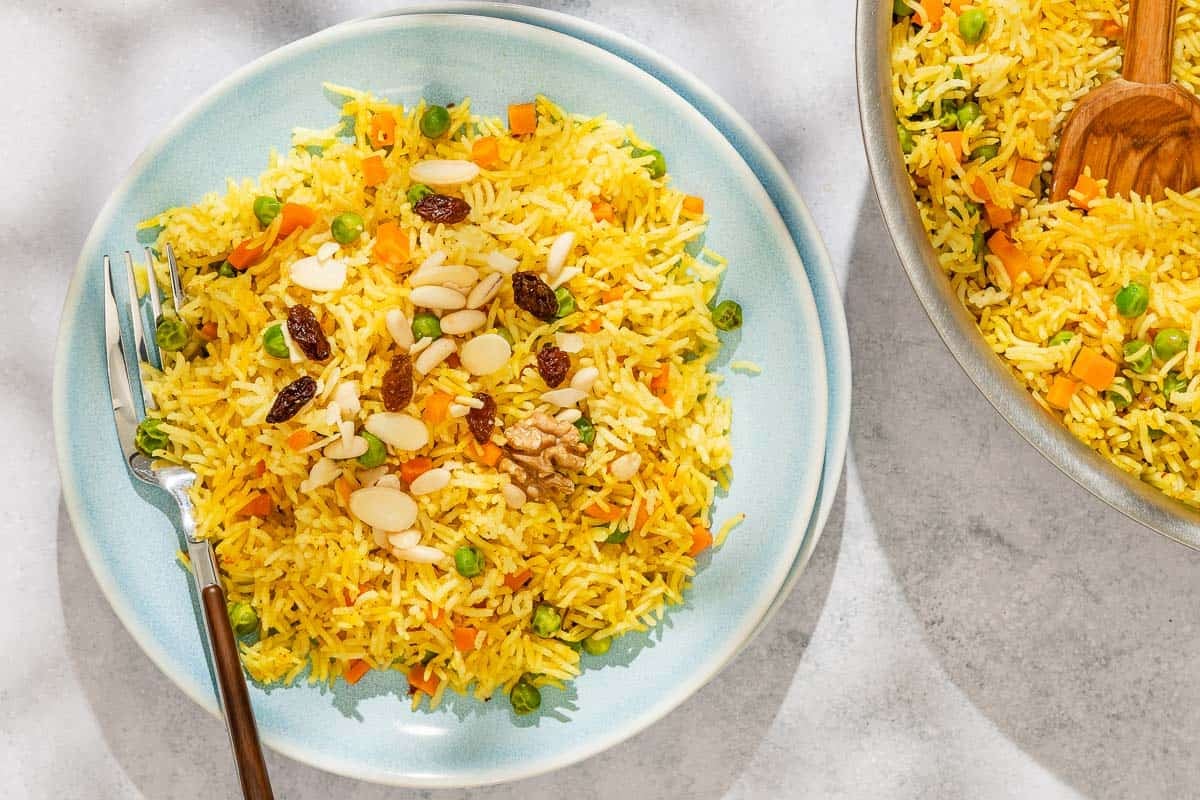
Middle Eastern Rice Pilaf: A Symphony of Spices, Nuts, and Veggies for a Fluffy Side
In the vibrant tapestry of Middle Eastern cuisine, few dishes encapsulate comfort and flavor as beautifully as a perfectly crafted
rice pilaf. Far from a simple steamed grain, this iconic side dish transforms humble rice into a celebration of textures and aromatic notes. It's a testament to the region's culinary philosophy – taking basic ingredients and elevating them into something truly special with strategic spices, wholesome vegetables, and delightful crunch. Whether gracing a family dinner table or a festive feast, Middle Eastern
rice pilaf is more than just a carb; it's a flavorful journey that delights the senses and complements almost any main course.
At its heart,
rice pilaf is a cooking technique that involves toasting rice grains in fat before simmering them in a seasoned liquid. This crucial step infuses each grain with rich flavor, preventing stickiness and ensuring a beautifully fluffy outcome every time. Our Middle Eastern rendition takes this foundational method and imbues it with the soul of the region, featuring warming spices, vibrant vegetables, and the delightful textural contrast of toasted nuts and sweet dried fruits.
The Essence of Middle Eastern Rice Pilaf: Flavor and Technique
What truly sets Middle Eastern
rice pilaf apart is its unique blend of technique and thoughtfully selected ingredients. It’s a dish where every component plays a vital role in creating a harmonious and memorable experience.
The Transformative Pilaf Technique
The cornerstone of any great
rice pilaf lies in its distinct cooking method, a technique revered across Mediterranean and Middle Eastern cultures for delivering superior texture and taste.
*
Toasting the Grains: Before any liquid is added, the rice grains are gently sautéed in olive oil or butter. This step, known as toasting, is absolutely critical. It creates a subtle nutty flavor and, more importantly, seals the exterior of each grain. This sealing action prevents the rice from absorbing too much liquid too quickly, ensuring that the grains remain separate and fluffy, rather than becoming gummy or mushy. It’s the secret to that coveted light and airy texture.
*
Infusing with Aromatics: During the toasting phase, aromatics like finely chopped onions and minced garlic are sautéed first, releasing their fragrant oils into the cooking fat. When the rice is added, it absorbs these foundational flavors right from the start, building a complex taste profile from the ground up.
*
Simmering in Seasoned Broth: Unlike plain boiled rice,
rice pilaf is cooked in a rich broth (chicken, vegetable, or even beef) instead of just water. This liquid is often seasoned with the signature spices of the Middle East, further deepening the overall flavor. The rice absorbs this flavorful liquid as it cooks, resulting in a dish that’s rich and savory through and through.
The Distinct Middle Eastern Flavor Profile
Beyond the technique, it's the specific selection of ingredients that gives Middle Eastern
rice pilaf its unmistakable character.
*
Warming Spice Blend: A signature mix of ground turmeric, coriander, and sweet paprika forms the aromatic core. Turmeric lends its earthy warmth and characteristic golden hue, coriander offers a citrusy-nutty undertone, and paprika provides a mild, sweet pepper flavor. For a touch of Mediterranean warmth without overwhelming heat, a pinch of Aleppo pepper is often included. These spices don't just add flavor; they weave a fragrant narrative that defines the dish.
*
Fresh Aromatics and Vibrant Veggies: Finely diced yellow onion and potent garlic cloves provide an essential aromatic foundation. To add color, nutrition, and textural variety, vegetables like sweet peas and finely chopped carrots are often incorporated. Other quick-cooking options, such as bell peppers, can also find a home here.
*
Textural Contrasts: What truly elevates Middle Eastern
rice pilaf from delicious to extraordinary are the thoughtful additions of nuts and dried fruits. Toasted pine nuts, sliced almonds, or walnuts introduce a satisfying crunch and nutty depth. For a hint of unexpected sweetness that perfectly balances the savory spices, golden raisins or finely chopped dried apricots are often folded in at the end. These additions are not just garnishes; they are integral to the dish's complexity and appeal.
Essential Ingredients for Your Fluffy Middle Eastern Rice Pilaf
Crafting an authentic and delightful Middle Eastern
rice pilaf starts with selecting high-quality ingredients. Each plays a role in achieving that perfect fluffy texture and rich, layered flavor.
*
The Rice: Basmati rice is the gold standard for its aromatic quality, long grains, and ability to cook up light and separate. If basmati isn't available, jasmine rice can be a substitute, though be aware it tends to be softer. Crucially, always
rinse your rice thoroughly under cold running water until the water runs clear. This removes excess starch, which is vital for achieving a fluffy, non-sticky pilaf. Soaking for 10-15 minutes further aids in even cooking.
*
The Fat: For a true Mediterranean touch and wonderful depth of flavor, extra virgin olive oil is preferred. It also makes this a Mediterranean Diet-friendly side. Butter can also be used for a richer taste.
*
Aromatics: One small yellow onion, finely chopped, provides a sweet and savory base. Two cloves of minced garlic are essential for their pungent aroma. White onion or shallots can be swapped for the yellow onion.
*
Vibrant Vegetables: One cup of frozen peas (no need to thaw) and 2-3 peeled and chopped carrots add color, sweetness, and nutrition. Feel free to incorporate other quick-cooking vegetables like diced bell peppers.
*
The Spice Symphony:
*
Turmeric: For earthy warmth and a beautiful golden hue.
*
Ground Coriander: Offers a bright, citrusy-nutty note. Cumin can be a good substitute if you prefer.
*
Sweet Spanish Paprika: Delivers mild, sweet pepper flavor. For a smoky twist, you could use smoked paprika.
*
Aleppo Pepper: Provides a gentle, fruity heat characteristic of Mediterranean cuisine. If unavailable, a tiny pinch of red pepper flakes can be used, or it can be omitted entirely.
*
Kosher Salt: Enhances all the flavors, don't skimp.
*
Finishing Touches: A quarter cup of toasted nuts (such as pine nuts, sliced almonds, walnuts, or even pistachios or pecans) adds a delightful crunch. A handful of dried raisins (or chopped dried apricots) contributes a burst of contrasting sweetness. Toasting nuts briefly in a dry pan before adding them dramatically boosts their flavor.
Mastering the Technique: Tips for Foolproof Fluffy Rice Pilaf
Achieving that perfect fluffy, flavorful
rice pilaf is simpler than you might think, thanks to a few key techniques.
1.
Rinse and Soak Your Rice: As mentioned, this is paramount. Rinsing removes surface starch, preventing stickiness. A short soak allows the grains to hydrate slightly, ensuring more even cooking.
2.
Build Flavor with Aromatics: Always start by sautéing your chopped onions until softened and translucent in your chosen fat. Then add the garlic, cooking just until fragrant. This creates the foundational layer of flavor for your pilaf.
3.
Toast the Rice Properly: Once the aromatics are softened, add the rinsed rice to the pan. Stir it continuously for 3-5 minutes until the grains become lightly golden and slightly translucent at the edges. This crucial step develops a nutty flavor and helps each grain remain separate.
4.
Add Spices Early: Stir in your turmeric, coriander, paprika, and Aleppo pepper with the toasted rice for about a minute before adding the liquid. This "blooming" of spices in the hot oil helps release their full aromatic potential.
5.
Exact Liquid-to-Rice Ratio: For most basmati rice, a 1:1.5 or 1:1.75 rice-to-liquid ratio works best (e.g., 2 cups rice to 3-3.5 cups broth). Too much liquid results in mushy rice; too little leaves it undercooked. Bring the broth to a simmer before adding it to the rice for even cooking.
6.
Simmer Gently, Don't Peek: Once the liquid is added and brought to a boil, reduce the heat to low, cover the pan tightly with a lid, and let it simmer undisturbed. Resist the urge to lift the lid and peek, as this allows steam to escape, which is crucial for cooking the rice evenly.
7.
The Rest is Best: After the cooking time (typically 15-20 minutes), turn off the heat but leave the lid on for an additional 10 minutes. This resting period allows the steam to redistribute moisture, making the rice even fluffier and more tender.
8.
Fluff with a Fork: Once rested, gently fluff the
rice pilaf with a fork to separate the grains before serving. This also incorporates the nuts and dried fruits if you're adding them at the end.
For a deeper dive into the foundational techniques that guarantee perfectly cooked grains every time, explore our guide on
Mastering Rice Pilaf: The Simple Technique for Fluffy & Flavorful Grains. And if you're looking for a quick, reliable option, our
Foolproof Fluffy Rice Pilaf: An Easy 30-Minute Side Dish recipe offers a fantastic starting point.
Customizing Your Middle Eastern Rice Pilaf
One of the greatest joys of
rice pilaf is its incredible versatility. While the core Middle Eastern spice blend offers a perfect base, feel free to experiment and make it your own.
*
Spice Adventures: Introduce a pinch of ground cardamom for a more intensely aromatic profile, or a touch of cinnamon for warmth. A dash of allspice can also echo traditional Middle Eastern flavors.
*
Protein Power-Ups: For a heartier main dish, consider adding ground beef or lamb (often called "hashweh" style), cooked lentils, or shredded chicken to your pilaf. Sauté these proteins with the onions before adding the rice.
*
Seasonal Veggies: Beyond peas and carrots, consider adding diced zucchini, spinach, or even roasted eggplant pieces. Ensure any additions are quick-cooking or pre-cooked to match the rice's cooking time.
*
Nut & Fruit Medley: Don't limit yourself! Try toasted pecans, cashews, or even pepitas. For dried fruits, experiment with cranberries, chopped dates, or even apricots for varied textures and sweetness.
A Timeless Side Dish for Any Occasion
Middle Eastern
rice pilaf is truly a culinary chameleon – simple enough for a weeknight dinner, yet elegant enough to grace a festive table. Its ability to transform plain rice into a fragrant, flavorful, and visually appealing dish makes it an indispensable recipe in any home cook's repertoire. With its fluffy grains, warming spices, tender vegetables, and satisfying crunch of nuts and sweet burst of dried fruits, this
rice pilaf promises a delightful experience with every bite. So, next time you're looking to elevate your meal, reach for this classic Middle Eastern side and let its enchanting flavors transport you.